EN
EN  FR
FR 

I. Introduction to Maasai Sandals
Maasai sandals have a rich history and cultural significance within the Maasai tribe of East Africa. These beautifully crafted footwear pieces showcase intricate beadwork and leather craftsmanship that have been passed down through generations. In this article, we will explore the traditional techniques and materials employed in Maasai sandal making, their place in modern fashion, the impact on the Maasai tribe, their role in sustainable fashion, and much more.
Definition of Maasai Sandals
Maasai sandals, also known as “akala” in the Maa language, are traditional handmade footwear worn by the Maasai people. These sandals feature a distinctive design with intricate beadwork patterns and are typically made using cowhide leather and various natural materials.
Historical Background of Maasai Sandals
Maasai sandals have a long-standing history that dates back centuries. Originating from the semi-nomadic Maasai tribe of East Africa, these sandals were initially crafted for practical purposes, with durability and comfort being key factors. Over time, they have become an integral part of Maasai culture, representing both tradition and identity.
Significance of Maasai Sandals in Maasai Culture
Within Maasai culture, footwear holds symbolic importance and showcases one’s social status and age. Maasai sandals are traditionally worn by both men and women, with specific designs differing between genders. They are also used as ceremonial footwear during important cultural events and rites of passage.
II. Traditional Techniques and Materials in Maasai Sandal Making

The artistry behind Maasai sandal making lies in the intricate beadwork and leather craftsmanship. Here, we delve into the techniques employed and the use of natural materials.
Intricate Beadwork and Leather Craftsmanship
Maasai sandals are renowned for their exceptional beadwork, where vibrant colored beads are intricately woven into unique patterns. The design possibilities are endless, allowing for a personalized touch. Furthermore, the leatherwork demonstrates the craftsmen’s expertise in shaping and stitching, ensuring the sandals are not only visually stunning but also durable.
Utilization of Natural Materials and Resources
In keeping with the Maasai’s close relationship with nature, traditional Maasai sandals incorporate various natural materials. Cowhide leather serves as the foundation, providing strength and flexibility. Additionally, materials such as tree bark, animal skin, and plant fibers are utilized for embellishments and closures. The use of these natural resources not only adds to the authenticity of the sandals but also highlights the sustainable practices employed by the Maasai people.
Preservation of Traditional Techniques
Through generations, the techniques involved in Maasai sandal making have been carefully passed down from masters to apprentices. The preservation of these traditional methods is paramount, as they ensure the continuity of this art form. Maasai communities take great pride in safeguarding their cultural heritage and are dedicated to passing on their knowledge to future generations of artisans.
III. Maasai Sandals in Modern Fashion

In recent years, Maasai sandals have transcended traditional boundaries and made their way into the world of contemporary fashion. Here, we explore their rise, collaborations between Maasai artisans and fashion designers, and the fusion of traditional and modern styles. If you’d like to find out more about other types of African sandals, we invite you to read the following article: African Sandals: Embrace the Vibrant Spirit of Africa with Every Step
Rise of Maasai Sandals in Contemporary Fashion
The unique blend of traditional craftsmanship and contemporary design has sparked an increased interest in Maasai sandals in the fashion industry. The vibrant beadwork and intricate leatherwork of these sandals have caught the attention of fashion enthusiasts worldwide. Their exotic appeal adds a touch of cultural authenticity to any outfit.
Collaboration between Maasai Artisans and Fashion Designers
To bridge the gap between tradition and modernity, collaborations between Maasai artisans and fashion designers have emerged. These partnerships allow for the integration of Maasai sandal-making techniques and cultural motifs into contemporary designs. Through these collaborations, traditional craft meets high-end fashion, resulting in aesthetically captivating pieces.
Fusion of Traditional and Modern Styles
Contemporary Maasai sandals combine the timeless beauty of traditional techniques with innovative design elements. This fusion allows for the creation of sandals that appeal to a wide range of audiences, showcasing the versatility of Maasai sandal making as a modern fashion statement.
IV. The Maasai Tribe and Sandal Making
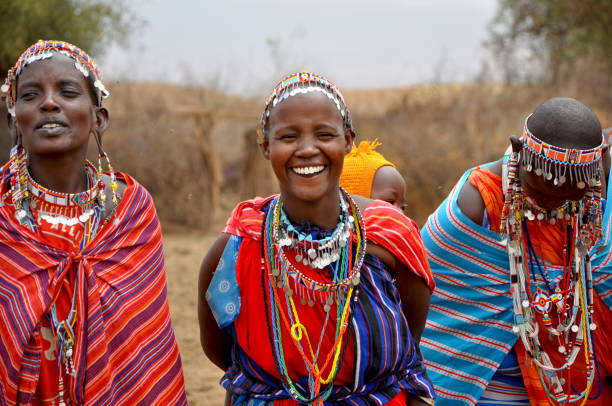
To understand the deeper significance of Maasai sandals, it is essential to examine their connection to the Maasai tribe, their cultural heritage, and the storytelling inherent in their designs.
Overview of the Maasai Tribe and Their Cultural Heritage
The Maasai tribe is an indigenous community predominantly found in Kenya and Tanzania. Known for their distinctive customs, vibrant attire, and deep-rooted traditions, the Maasai people have managed to preserve their rich cultural heritage over centuries. Sandal making is just one of the many art forms they have mastered.
Role of Sandal Making in Maasai Society
Sandal making holds a significant place in Maasai society, serving as more than just a footwear craft. For the Maasai people, it represents a mode of cultural expression and identity. The sandals reflect the Maasai’s close relationship with their environment, as well as their strong sense of community and spirituality.
Cultural Symbolism and Storytelling through Sandal Design
Each Maasai sandal design carries unique cultural symbolism and serves as a form of storytelling. From the arrangement of beads representing specific Maasai clans to intricate patterns symbolizing important aspects of Maasai life, these sandals communicate a rich narrative that is cherished within the Maasai community.
V. Maasai Sandals as Sustainable Fashion
Amidst the growing movement towards sustainable fashion, Maasai sandals have proven to be an excellent example of ethically produced footwear. Discover how they embody the principles of ethical production, cultural wisdom, and community empowerment.
Ethical Production and Fair Trade Practices
Maasai artisans adhere to ethical production practices, ensuring fair wages and safe working conditions. By supporting these artisans, consumers contribute to sustainable economic development within Maasai communities, promoting social equity and empowerment.
Traditional Knowledge and Ecological Wisdom
The Maasai’s sustainable approach to sandal making stems from their deep understanding of the environment’s resources. By utilizing natural materials and adopting eco-friendly practices, such as vegetable tanning, the Maasai honor their ecological wisdom, ensuring that the craft is in harmony with nature.
Empowering Local Communities and Preserving Cultural Heritage
By purchasing and showcasing Maasai sandals, consumers actively promote the preservation of cultural heritage and support local communities. This sustainable fashion choice empowers Maasai artisans in their pursuit of economic independence, helping them preserve and pass on their traditional craft to future generations.
VI. Maasai Sandals in Global Markets

The exportation of Maasai sandals to global markets has had a profound economic impact on Maasai communities. However, there are challenges and considerations regarding cultural appropriation versus cultural appreciation.
Exportation of Maasai Sandals and Economic Impact
The introduction of Maasai sandals into global markets has opened doors to economic opportunities for Maasai artisans. The demand from international consumers has created a sustainable income source that enables them to support their families and invest in their communities’ development.
Challenges and Opportunities in a Globalized Market
As the popularity of Maasai sandals grows worldwide, challenges arise in preserving the authenticity and quality of the craft. Balancing the commercialization of the sandals with preserving cultural integrity is a delicate task. However, this global exposure also brings opportunities for collaboration, cultural exchange, and the promotion of Maasai craftsmanship on a larger scale.
Cultural Appropriation versus Cultural Appreciation
The global awareness and admiration of Maasai sandals have sparked important discussions regarding cultural appropriation. It is crucial to differentiate between appropriation, which appropriates elements of a culture without respect or understanding, and appreciation, which seeks to celebrate and honor cultural traditions. Responsible consumerism encourages individuals to appreciate Maasai sandals for their cultural significance while respecting the artisans and their heritage.
VII. Maasai Sandals and Tourism

Maasai sandals have become a sought-after tourist attraction, but responsible tourism is key to supporting local artisans and preserving the artistry behind their creation.
Maasai Sandals as a Tourist Attraction
When visiting Maasai communities, tourists are often captivated by the beauty and craftsmanship of Maasai sandals. Engaging with the artisans and witnessing their creative process adds a meaningful dimension to the travel experience, deepening cultural understanding.
Responsible Tourism and Supporting Local Artisans
Responsible tourism involves prioritizing the sustainable development of local communities. When purchasing Maasai sandals directly from the artisans or through ethical retailers, travelers contribute to the local economy, supporting the artisans and their families’ livelihoods.
Impact of Tourism on the Preservation of Maasai Sandal Making
Tourism can play a positive role in the preservation of Maasai sandal making. By generating income and fostering cultural appreciation, the presence of tourists helps incentivize the continuation of this art form, ensuring its survival for future generations.
VIII. Female Empowerment and Maasai Sandal Making
Within the Maasai sandal making industry, women artisans are leading the way, experiencing economic independence and social empowerment.
Women Artisans Leading the Way in Sandal Making
In Maasai culture, women have taken prominent roles in sandal making, breaking gender stereotypes and assuming leadership positions within the craft. Their exceptional skills and creativity have made them indispensable to the industry, representing a source of inspiration and empowerment for other Maasai women.
Economic Independence and Social Empowerment
For Maasai women artisans, sandal making offers a pathway to economic independence. Through entrepreneurship and the sale of their handcrafted sandals, they have become financially self-reliant, gaining greater control over their lives and contributing to their families and communities. This newfound empowerment has transformed gender dynamics within Maasai society.
Challenges and Success Stories of Maasai Women in the Industry
Despite the progress made by Maasai women in the sandal making industry, they continue to face unique challenges. Sociocultural norms and limited access to resources and education present obstacles. Nevertheless, there are inspiring success stories that highlight the resilience and determination of these women, inspiring others to overcome barriers.
IX. Maasai Sandals as Statement Pieces
Maasai sandals have garnered attention and support from celebrities and fashion influencers, raising questions about cultural appreciation versus fashion trends and their symbolism as expressions of identity.
Celebrity Endorsements and Fashion Influencers
The appeal of Maasai sandals extends beyond cultural enthusiasts, with celebrities and fashion influencers embracing them as statement pieces. Their endorsements showcase the versatility and appeal of these sandals, bringing them into the limelight and amplifying their cultural significance.
Cultural Appreciation versus Fashion Trend
When Maasai sandals become popular as a fashion trend, it is important to differentiate between authentic cultural appreciation and mere commodification. True appreciation recognizes the artisans’ craftsmanship, cultural heritage, and the stories behind the sandals, while trends tend to focus solely on aesthetics.
Symbolism and Expression through Maasai Sandals
For many, wearing Maasai sandals is an act of self-expression. The vibrant colors, intricate beadwork, and symbolic designs allow individuals to showcase their values, connections to nature, and admiration for the Maasai culture. Each pair of sandals becomes a personal statement, celebrating diversity and promoting cultural pride.
X. Maasai Sandals in Different Occasions

Maasai sandals effortlessly fit into various occasions, ranging from casual wear to special events, showcasing their versatility and timeless appeal.
Casual Wear and Everyday Use
Maasai sandals are not limited to ceremonial occasions. Their comfort, durability, and stunning design make them suitable for daily wear, adding an element of cultural flair to any casual outfit. Whether strolling the streets or enjoying a day at the beach, Maasai sandals offer comfort and style.
Bridal Sandals and Traditional Weddings
In Maasai weddings, the bride and groom often wear specially designed sandals tailored for the occasion. These bridal sandals feature intricate beadwork and symbolic patterns, reflecting the joyous celebration of love and the union of two families.
Maasai Sandals on Runways and Red Carpets
The fusion of traditional techniques and modern design has earned Maasai sandals a place on prestigious runways and red carpets around the world. High-profile fashion events showcase the versatility of these sandals, demonstrating how they can elevate even the most glamorous ensembles.
XI. Preserving Maasai Sandal Making Artistry
Maasai sandal making faces challenges in sustaining the craft, but efforts by NGOs and governmental support, along with education and apprenticeship programs, play a vital role in its preservation.
Challenges in Sustaining the Craft
The preservation of Maasai sandal making faces several challenges. These include maintaining the quality and authenticity of the sandals while meeting market demands, ensuring fair compensation for artisans, and passing down the craft to younger generations who may be drawn to alternative livelihoods.
Efforts of NGOs and Governmental Support
Non-governmental organizations (NGOs) and governmental initiatives recognize the cultural value of Maasai sandal making and invest in various programs to support the artisans. These efforts include training, access to resources, and market development, empowering the Maasai community and ensuring the craft’s continuation.
Role of Education and Apprenticeship Programs
Education plays a crucial role in preserving Maasai sandal making as an art form. Apprenticeship programs allow younger generations to learn from experienced artisans, providing them with the skills, knowledge, and cultural understanding necessary to carry on this intricate craft.
XII. Maasai Sandals: A Global Inspiration
The influence of Maasai sandals extends beyond the Maasai tribe itself, inspiring other indigenous cultures and artisans worldwide. Cultural exchange and preserving diversity serve as the foundation of this global inspiration.
Influence on Other Indigenous Cultures and Artisans
The genuine artistry and cultural significance of Maasai sandals have inspired other indigenous cultures and artisans to preserve and celebrate their own traditional craftsmanship. The Maasai’s dedication to their craft serves as a shining example of the importance of cultural heritage.
Cultural Exchange and Preserving Diversity
As Maasai sandal making becomes more globally recognized, it opens doors for cultural exchange and dialogue. By embracing Maasai sandals and understanding their cultural roots, individuals develop a deeper appreciation for diversity and the interconnectedness of cultures worldwide.
Maasai Sandals as a Symbol of Unity and Shared Heritage
Maasai sandals transcend geographical boundaries, symbolizing unity and shared heritage among communities worldwide. Wearing them signifies solidarity, respect, and celebration of the rich tapestry of global cultures.
XIII. Frequently Asked Questions (FAQs)
For those curious about Maasai sandals, we address common questions to shed light on their materials, craftsmanship, availability, and comfort.
What Materials are Traditionally Used in Making Maasai Sandals?
Traditionally, Maasai sandals are made using cowhide leather for the base and various natural materials such as beads, tree bark, animal skin, and plant fibers for embellishments and closures. These materials are in line with the Maasai culture’s connection to the environment.
How Long Does it Take to Make a Pair of Maasai Sandals?
The time required to make a pair of Maasai sandals varies depending on the complexity of the design. The intricate beadwork and leather craftsmanship involved can take several hours or even days to complete. The dedication and patience of Maasai artisans shine through in the meticulous attention to detail seen in the final products.
Where Can I Buy Authentic Maasai Sandals?
To ensure the purchase of authentic Maasai sandals, it is recommended to buy directly from Maasai artisans or from ethical retailers that have established partnerships with the Maasai community. These purchases support the artisans and their livelihoods while upholding fair trade practices.